
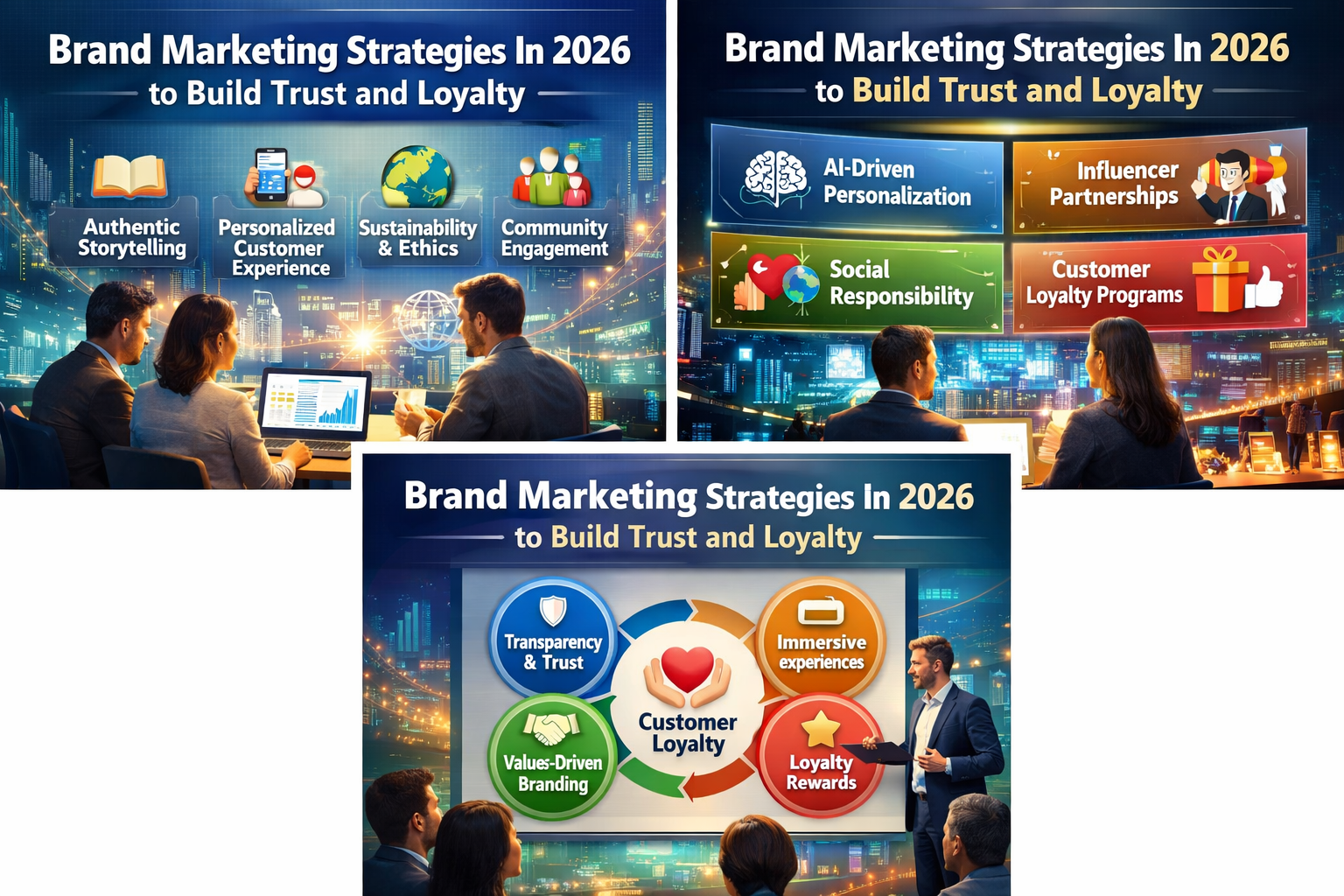
Introduction
In today’s competitive market, customers are more likely to buy from brands they trust. Businesses that focus on strong branding can create lasting relationships with their customers. Understanding brand marketing strategies to build trust and loyalty helps companies develop a strong identity and maintain long-term customer connections.
This guide explains how businesses can use effective branding strategies to gain customer trust and build loyalty.
What Is Brand Marketing?
Brand marketing focuses on promoting a company’s identity, values, and reputation rather than only promoting products or services. It helps businesses create a unique image that customers recognize and trust.
A strong brand includes:
- A clear brand message
- A recognizable logo and design
- Consistent communication
- Positive customer experiences
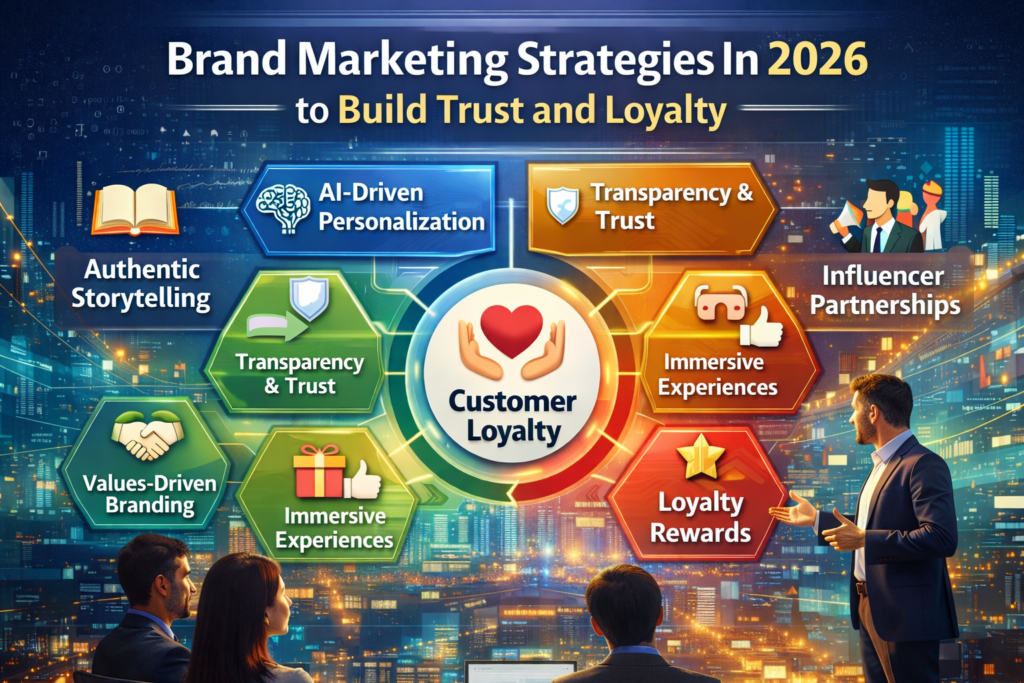
Using brand marketing strategies to build trust and loyalty helps businesses stand out in a crowded marketplace.
Why Brand Trust and Loyalty Are Important
Customers are more likely to choose brands they trust. When businesses build trust, customers feel confident buying their products or services.
Key benefits include:
- Increased customer retention
- Strong brand reputation
- Higher customer satisfaction
- More referrals and recommendations
- Long-term business growth
Brand loyalty also reduces marketing costs because loyal customers continue buying from the same brand.
Create a Strong Brand Identity
A clear brand identity helps customers easily recognize your business. Businesses should focus on creating a consistent image across all platforms.
Important elements of brand identity include:
- Brand name
- Logo and visual design
- Brand voice and messaging
- Company values and mission
A strong identity supports brand marketing strategies to build trust and loyalty.
Deliver Consistent Brand Messaging
Consistency is essential for building trust. Customers should receive the same message across your website, social media, advertisements, and customer service.
Consistent messaging helps customers:
- Understand what your brand represents
- Recognize your brand easily
- Build confidence in your products or services

Businesses that maintain consistent messaging strengthen their brand credibility.
Focus on Customer Experience
Customer experience plays a major role in building brand trust. Positive interactions encourage customers to return and recommend your brand to others.
Businesses should focus on:
- Fast and helpful customer support
- High-quality products or services
- Easy purchasing experiences
- Clear communication
A positive experience helps reinforce brand marketing strategies to build trust and loyalty.
Use Content Marketing to Educate Customers
Educational and valuable content helps businesses build authority in their industry. Customers appreciate brands that provide useful information.
Examples include:
- Blog posts
- How-to guides
- Videos and tutorials
- Social media tips
Content marketing strengthens customer relationships and improves brand perception.
Engage With Customers on Social Media
Social media platforms allow brands to communicate directly with their audience. Engaging with followers helps businesses appear more approachable and trustworthy.
Ways to engage customers include:
- Responding to comments and messages
- Sharing helpful information
- Encouraging customer feedback
- Posting interactive content
Active engagement supports brand marketing strategies to build trust and loyalty.
Encourage Customer Reviews and Testimonials
Customer reviews provide social proof and influence buying decisions. Positive reviews show potential customers that others trust your brand.
Businesses can encourage reviews by:
- Asking satisfied customers for feedback
- Displaying testimonials on websites
- Responding professionally to reviews
Good reviews strengthen brand reputation and credibility.
Maintain Transparency and Authenticity
Honesty and transparency are key factors in building trust. Customers prefer brands that communicate openly about their products, pricing, and policies.
Businesses should:
- Be honest in advertising
- Admit mistakes and resolve issues quickly
- Clearly explain product benefits and limitations

Authenticity helps customers feel confident in your brand.
Pros and Cons of Brand Marketing Strategies to Build Trust and Loyalty
Pros
1. Builds Strong Customer Relationships
Using brand marketing strategies to build trust and loyalty helps businesses create long-term relationships with customers.
2. Increases Customer Loyalty
Customers who trust a brand are more likely to return and make repeat purchases.
3. Improves Brand Recognition
Strong branding helps businesses stand out and become easily recognizable in the market.
4. Encourages Word-of-Mouth Marketing
Satisfied and loyal customers often recommend trusted brands to others.
5. Supports Long-Term Business Growth
A trusted brand can maintain consistent sales and attract new customers over time.
Cons
1. Takes Time to Build Trust
Developing brand trust and loyalty does not happen quickly and requires consistent effort.
2. Requires Consistent Branding
Businesses must maintain the same brand message and identity across all platforms.
3. Strong Competition
Many companies invest in branding, making it challenging to stand out.
4. Requires Continuous Engagement
Brands must regularly interact with customers and provide value to maintain loyalty.
5. Reputation Risks
Negative reviews or poor customer experiences can harm brand trust.
Conclusion
Building trust and loyalty is essential for long-term business success. By creating a strong brand identity, maintaining consistent messaging, delivering great customer experiences, and engaging with audiences, businesses can develop meaningful relationships with customers.
Using effective brand marketing strategies to build trust and loyalty helps companies strengthen their reputation, retain customers, and achieve sustainable growth.
Leave a Reply