
Introduction
In today’s competitive digital world, businesses want marketing strategies that deliver measurable results. Performance marketing is a powerful approach that focuses on achieving specific outcomes such as clicks, leads, or sales. Unlike traditional marketing, businesses only pay when a desired action occurs.
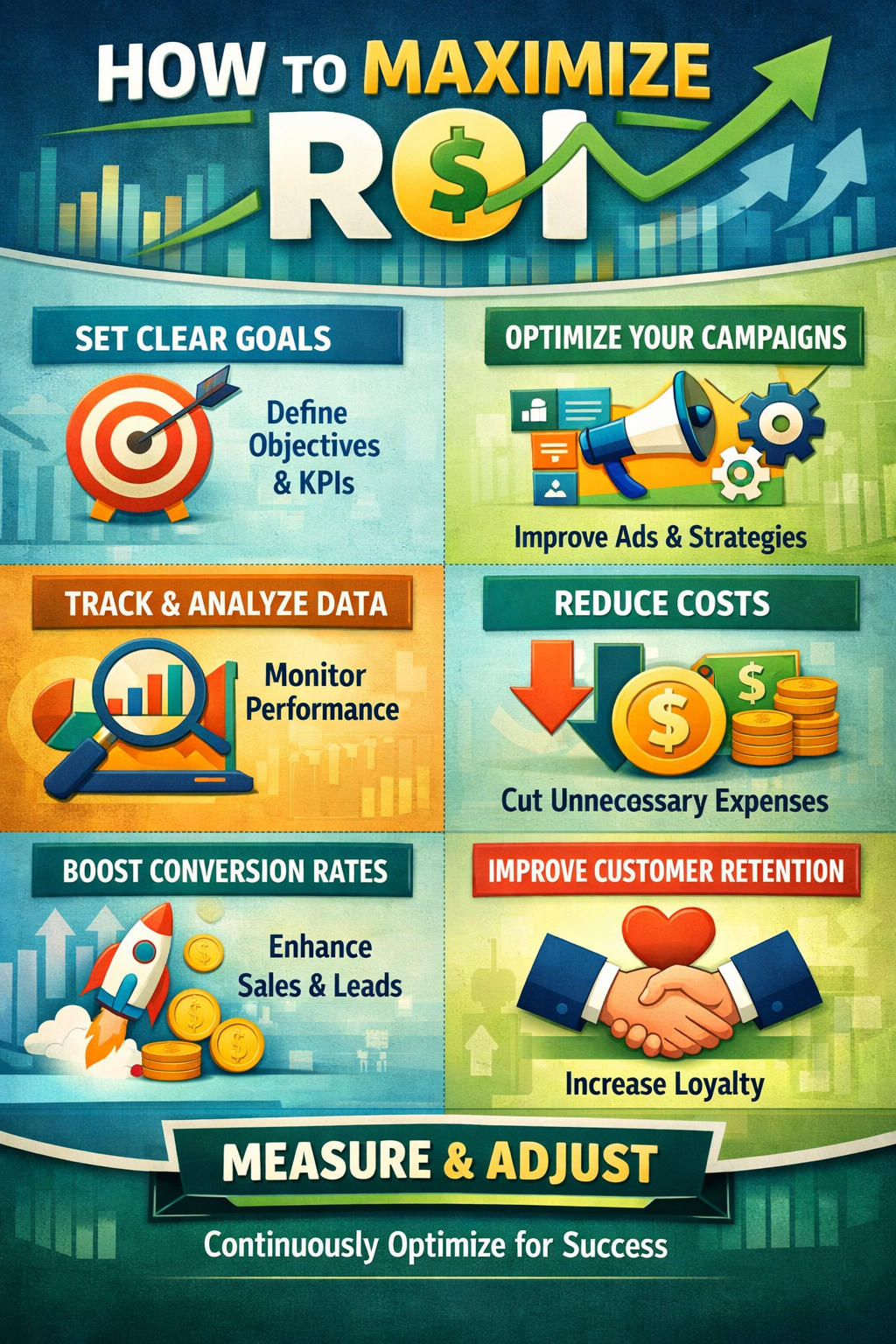
Understanding performance marketing explained helps companies invest their marketing budgets wisely and maximize return on investment (ROI).
What Is Performance Marketing?
Performance marketing is a digital marketing strategy where advertisers pay only when specific results are achieved. These results can include:
- Website clicks
- Leads or sign-ups
- App downloads
- Product purchases
This approach allows businesses to track marketing performance accurately and focus on strategies that produce the best results.
How Performance Marketing Works
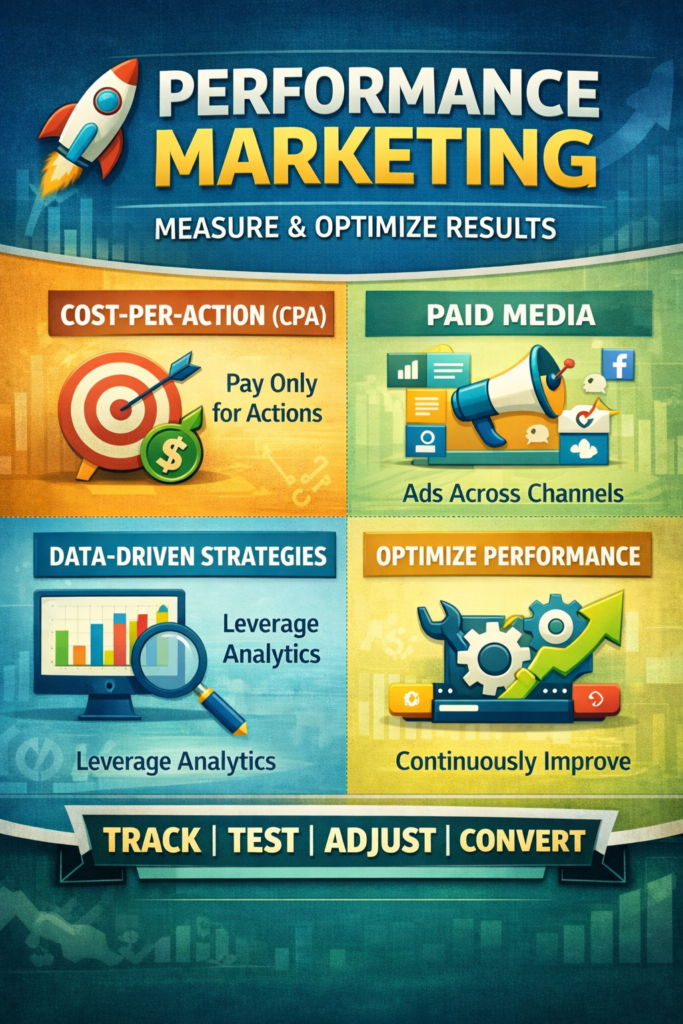
In performance marketing, businesses collaborate with marketing platforms, agencies, or affiliates to promote products and services. Payment is based on performance metrics rather than advertising exposure.
The most common performance models include:
- Cost Per Click (CPC) – Payment occurs when a user clicks on an advertisement.
- Cost Per Lead (CPL) – Payment occurs when a lead is generated.
- Cost Per Sale (CPS) – Payment occurs when a product is sold.
- Cost Per Acquisition (CPA) – Payment occurs when a customer completes a specific action.
These models make performance marketing explained easier for businesses that want clear and measurable results.
Key Channels Used in Performance Marketing
Businesses use several digital channels to implement performance marketing strategies.
Search Engine Marketing (SEM)
Search engine advertising helps businesses appear in search results when users look for relevant products or services.
Social Media Advertising
Platforms such as Facebook, Instagram, and LinkedIn allow businesses to target specific audiences with paid advertisements.
Affiliate Marketing
Affiliate partners promote products and earn commissions for successful sales or leads.

Native Advertising
Native ads blend naturally with website content, improving engagement and conversion rates.
Using multiple channels helps businesses expand their reach and improve marketing performance.
Benefits of Performance Marketing
Performance marketing offers many advantages for businesses.
1. Measurable Results
Businesses can track every click, lead, and sale generated by marketing campaigns.
2. Better Budget Control
Since payments depend on results, businesses avoid wasting money on ineffective advertising.
3. Higher Return on Investment
Performance marketing helps maximize ROI by focusing on strategies that generate conversions.
4. Flexible Campaign Optimization
Marketers can quickly adjust campaigns based on real-time data and analytics.
5. Wider Audience Reach
Digital advertising platforms allow businesses to reach targeted audiences worldwide.
These benefits make performance marketing explained a valuable strategy for modern businesses.
Challenges of Performance Marketing
Although performance marketing is effective, businesses may face some challenges.
- Strong competition in digital advertising
- Ad fraud or low-quality traffic
- The need for continuous campaign monitoring
- Dependence on marketing platforms
Understanding these challenges helps businesses develop smarter strategies.

Best Practices to Maximize ROI
To achieve success with performance marketing, businesses should follow several best practices.
Set Clear Campaign Goals
Define measurable goals such as increasing sales, generating leads, or improving website traffic.
Use Data and Analytics
Analyze campaign performance regularly to identify successful strategies.
Target the Right Audience
Accurate audience targeting increases the chances of conversions.
Test and Optimize Campaigns
Experiment with different ads, messaging, and platforms to improve performance.
Work With Reliable Partners
Choose trustworthy affiliate partners and advertising platforms to ensure quality traffic.
These strategies help businesses get the most value from their marketing investments.

Conclusion
Performance marketing is a results-driven approach that allows businesses to pay only for measurable outcomes. By using data, targeting the right audience, and optimizing campaigns, companies can significantly improve their marketing performance.
With the right strategy, performance marketing explained becomes a powerful way for businesses to maximize ROI and achieve long-term growth in the digital marketplace.
Leave a Reply